
I’m an indie contest veteran, but the past eight months have been a new experience for me: for the first time I participated in a contest as a judge and not a contestant. SFINCS (Speculative Fiction Indie Novella ChampionShip, pronounced “sphinx”) is a sister contest to SPFBO (Self-Published Fantasy Blog-Off) and was born in 2023 from a random conversation on Twitter in which both indie authors and reviewers lamented the lack of an opportunity like SPFBO for novellas. As often happens in the indie fantasy community, it didn’t take long to go from random online conversation to grassroots action and SFINCS was born.
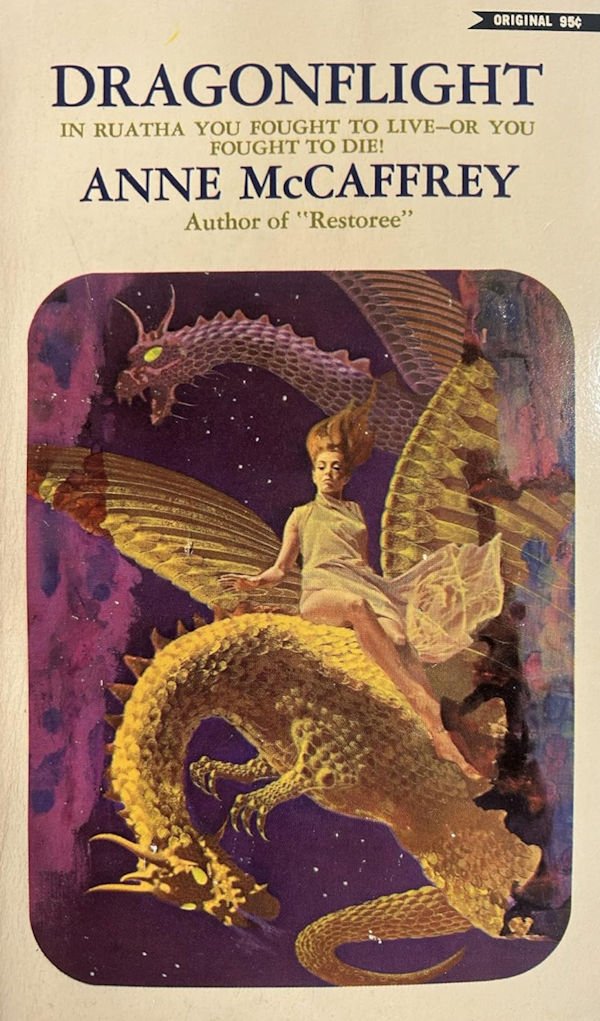
There’s a long and illustrious tradition of short form writing in SFF, but for the most part, novellas have tended to occupy an awkward in-between space publishing doesn’t quite know what to do with. In the days before epublishing, novellas were too big for most writers to sell to magazines but too short for the big traditional publishers to publish as books. The Hugo category for Best Novella has existed since 1968, but the standard advice for writers who wanted to break into publishing in the early 00s when I started sending out manuscripts was to focus on short stories (the shorter the better!) and to work your way up to novels. Novellas were for established writers.
If you’re wondering what exactly makes a story a novella versus a full novel, it’s all about the word count. Writers can be a little obsessed with word count (which you probably know if you’ve hung out in writer spaces at all). This is because page count can be manipulated by trim size, font, and margins to make a story appear wildly different, but the word count will always give you an accurate length.
Wikipedia gives these word count divisions:
- Novel: 40,000 words and up
- Novella: 17,500 words to 39,999 words
- Novelette: 7500 words to 17,499 words
- Short Story: up to 7500 words
There’s a lot of gray area here. Novels are getting shorter in general; when I started submitting back in ancient times, the lower limit for a novel was 60,000 words, meaning that a novella could actually be about 20,000 words longer than it is now. But these numbers don’t really account for differences in genre either. A 40,000-word epic fantasy novel is quite short, and to many readers, still feels like a novella (I know because I wrote one; some of my readers call it a novella and some call it a short novel.) Most readers don’t care if a story has 17,005 words and is technically a novelette, just like most people will call a novella a book in the same way they call a 200,000 word tome a book. Most of the novellas I read for SFINCS ran between 90 and 200 pages on a tablet, and many of them were also available in physical editions.
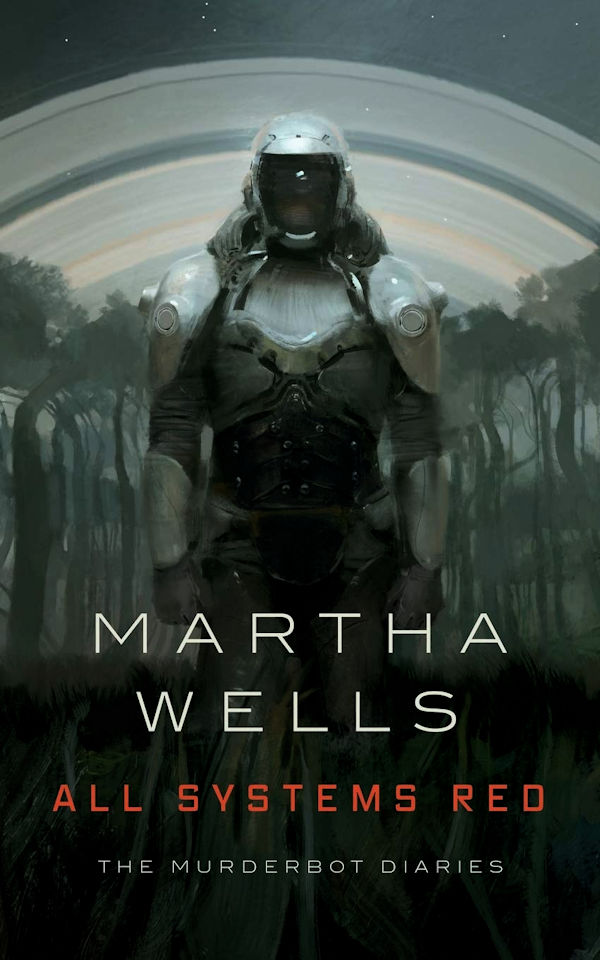
Now, as the cost of physical publishing goes up and our attention spans come down, the novella is edging its way onto the publishing stage to take its well-deserved place in the spotlight. Tor.com has had a big hand in this; it launched its publishing imprint in 2015, but the website had been publishing shorter fiction, including novellas, since 2008. By now the list of novellas printed by Tor.com is truly impressive, including the Murderbot Diaries by Martha Wells, the Wayward Children series by Seanan McGuire, Nghi Vo’s Singing Hills Cycle, as well as Nnedi Okorafor’s science fiction classic Binti.
But traditional publishing is only part of the story. While Tor.com was staking out a place in brick-and-mortar bookstores for shorter works that had formerly only been available online, indie authors figured out novellas were a great bonus for readers who subscribed to their newsletters… and they have been writing a lot of them.
Why is that? Well, it isn’t just because novellas fit into a marketing strategy. Many, many indie novellas are now released just like regular novels, with decimal point placing them in longer series but also as complete standalones. The novella is a perfect vehicle for telling a piece of backstory or a side quest that doesn’t fit into main series books. In my own experience, sometimes I need to write novella-length stories for character development purposes or to wrestle with a bit of worldbuilding; some ideas just end up naturally at that length.
But I think the biggest reason novellas have become a fixture of indie spaces is simply because indies can. There’s nothing stopping an indie from writing a story that might seem “extra” in a series, or that mixes genres, or is “too weird”, or super-niche, or that sits at an in-between length, or any of a million other reasons that might keep the story out of traditional publishing. Novellas may not sell like series novels (which I think is a shame because there are some stellar works out there), but the market is changing, and I think it’s indie writers who have really normalized novellas as integral parts of longer series. In the three years that SFINCS has existed, 300 indie and independent small press novellas have now passed through judges’ hands, and that’s only a small slice of what’s out there.
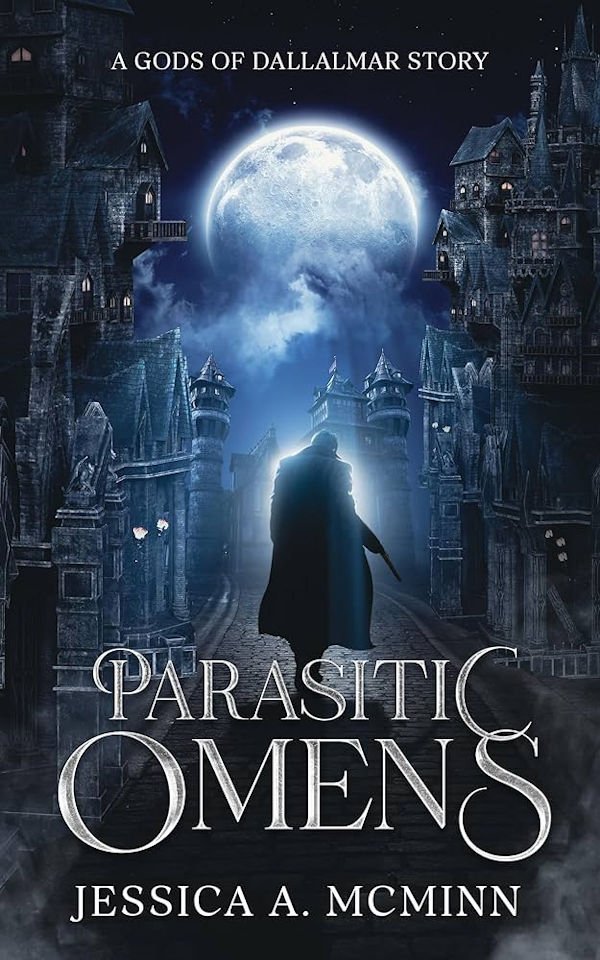
Whether you’re new to indie novellas or a veteran novella reader, checking out the SFINCS roster is a great place to build your TBR. This April we crowned our third champion—Jessica A. McMinn’s noir gaslamp fantasy Parasitic Omens.
Here’s my own personally quirky and somewhat random recommendation list of indie and small press SFF novellas I’ve read and enjoyed over the past several years:
- Pawns of Havoc by Dave Lawson (action-adventure fantasy with a romance subplot)
- A Second Life Worth Living by Karen Lucia (urban fantasy, so emotional)
- Sisters of Mercy by Yuval Kordov (post-apocalyptic SF with mechs)
- From These Dark Abodes by Lyndsie Manusos (dark gothic fantasy with mythological themes)
- A Necromancer Called Gam Gam by Adam Holcombe (cozy grimdark)
- Your Bones and Blood by J. Patricia Anderson (lyrical dark fantasy)
- The Re-Emergence by Alan Dell (a fun SF romp with all nonhuman characters)
- The Nome King and the Shroud by Tim Pratt (science fiction)
- Blackcap by Benjamin Aeveryn (gaslamp detective noir)
- The Mountain Crown by Karin Lowachee (anticolonial fantasy western with dragons)
- Briarley by Aster Glenn Gray (queer “Beauty and the Beast” retelling)
- The Riven Realm series by Deck Matthews (bite-sized epic fantasy)
- Bloodwitch by Timandra Whitecastle (dark epic fantasy)
- The World-Maker Parable by Luke Tarzian (metaphysical grimdark)
If you’re having a hard time sustaining your attention these days (and who isn’t), give a novella try. In many cases, you can read them in one sitting and they’re terrific if you’re behind on a Goodreads challenge. Plus, you’ll make an indie author’s day.
What’s your favorite novella or novella series? And who do you think writes the best short form stories? Let us know in the comments!
Featured image by Lennart Heim.

