

I’ll be the first to admit my experience writing in this genre differs from the majority of LitRPG writers. Where my books were fortunate enough to land a publisher, the vast majority of early LitRPG writers were among the trailblazers of the self-publishing era, and I respect them all the more for it. Therefore, although I’ll attempt to cover as much as I can about publishing in this genre, there are parts of this article that will be, dare I say, autobiographical in nature and other parts that are based on research.
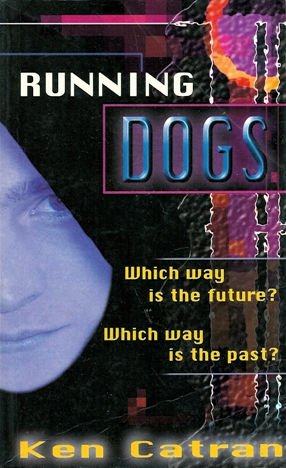
Books set in worlds with RPG (role-playing game) mechanics, be they virtual reality or alternative universes, have been around since before the 90s. My first exposure to the genre was the 1998 book Running Dogs by Ken Catran (another New Zealand author), which, although by no means the first, definitely left an impression on my game-addicted teenage brain. There’s also no denying the influence anime had on the genre early on, with many writers (including myself) attributing their frustration with .Hack and Sword Art Online as a driving force to write something similar or maybe a little better.
Another significant release was Ernest Cline’s Ready Player One (significant enough that Steven Spielberg adapted it into a film seven years later), which, while a nice love letter to retro gaming and pop culture, didn’t dig deep enough into the experience of playing role-playing games to satisfy some readers.
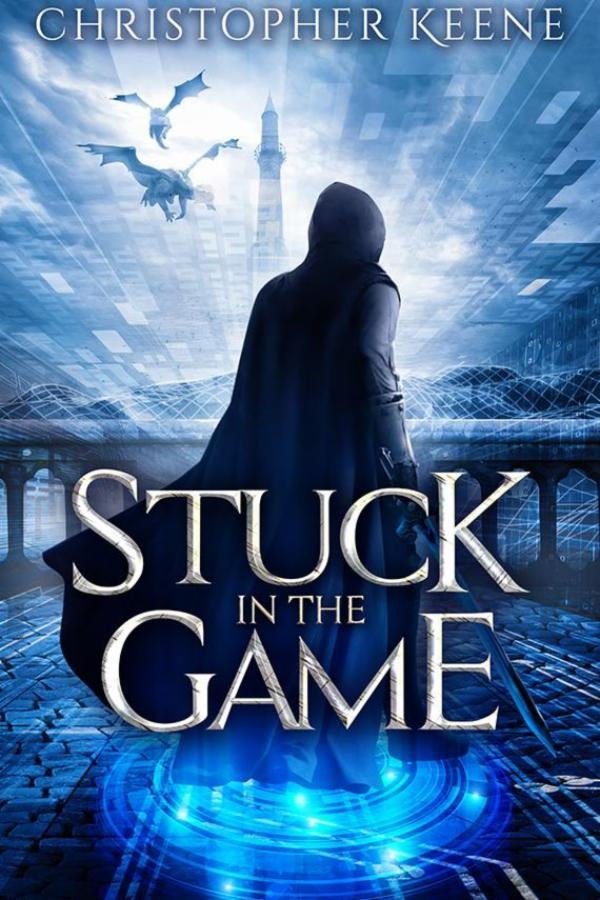
I was one of those readers. In a 2014 email discussion, a friend who’d clearly had enough of me expressing my dissatisfaction with this repeated “stuck in the game” plot formula, dared me to write my own. So I did. To add to the irony, I titled it Stuck in the Game. I submitted it to a few publishers and was a published author by 2016.
Nowadays, I don’t think this had much to do with the quality of my writing at the time. Turns out, a few dozen authors (many of them Russian) had already created a community around stories of this type, coining it LitRPG. Admittedly, my personal history with how I got into writing this genre sweeps a lot of that under the rug. So, before I continue with how it has progressed since then, let’s take a little peek under that rug to see what we can see.
LitRPG was coined by EKSMO Publishing House, attributed to Dmitry Rus, Dem Mikhaylov, and Vasily Mahanenko (as I said, Russian), and focused on game scenarios similar to Dungeons & Dragons and stat-heavy game stories. To market these stories, Facebook communities blossomed, with the gold medal going to Aleron Kong’s LitRPG Group, whose Chaos Seeds series made a killing as one of the first to combine the genre with the Facebook platform. He was followed by a dozen other authors who went on to create their own, including Ramon Mejia’s LitRPG Podcast, Blaise Corvin’s GameLit, Dakota Krout’s DungeonCore, progression fantasy, etc.
This was all in the early 2010s. Despite being on the mechanically lighter end of the spectrum, Stuck in the Game was released during the rise of this wave, and I was one of the few who initially prospered thanks to these platforms (much obliged, y’all).
Now, I’m humble enough to include my books among the many series in the genre that didn’t stand the test of time. Don’t get me wrong, I’m proud of what I wrote and still recommend people give it a shot, but the numbers don’t lie. Several of the series that went on to gain massive followings (I would go so far as to call them sleeper hits) helped evolve the genre into what it is today. Many would argue these books don’t belong in the genre at all, but I’m flexible when it comes to the extensive bleed of tropes and story structures across sub-genres.
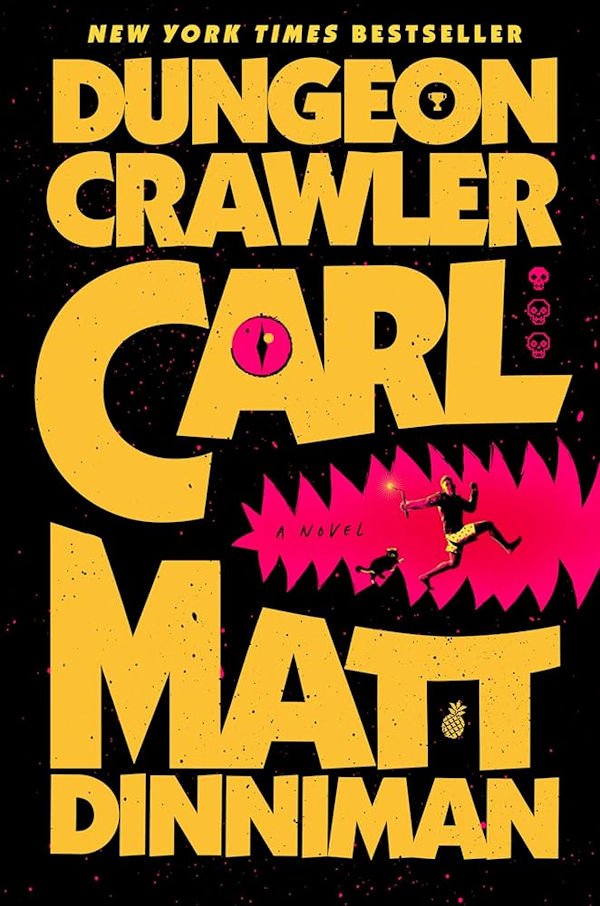
The massively popular Wandering Inn and Dungeon Crawler Carl could easily be included merely because of the litany of gaming mechanics and tropes they draw upon. Although following the formula of films more than games, books like The Game at Carousel series share most of the genre’s components, including all the crunchy stat numbers and abilities.
Turns out, not limiting books to the genre’s conventions allowed stories like these to flourish. Who would’ve thought?
So, overall, was the LitRPG genre a positive or negative thing? Without getting into the nitty-gritty of the legalities around the trademarking of the genre, I’d say it depends on how or if it impacted the readers and writers of the genre. It definitely gave me a platform for my books in the early days.
Was there some online drama? A bit. Were there some gatekeeping and no true Scotsman debates? Sure, but it was nothing like the flame wars we have today.
The very act of creating the conventions of the genre made breaking free of them all the more satisfying, much like The Scattering in God Emperor of Dune after Emperor Leto II’s tyranny finally came to an end and… Okay, wow, way to end your LitRPG article with a near-half-century-old sci-fi reference only a few Dune fans will know, Chris.
Though I guess, as with writing a book because a friend dared me to, it just made sense at the time.
Title image by itsiken.

