

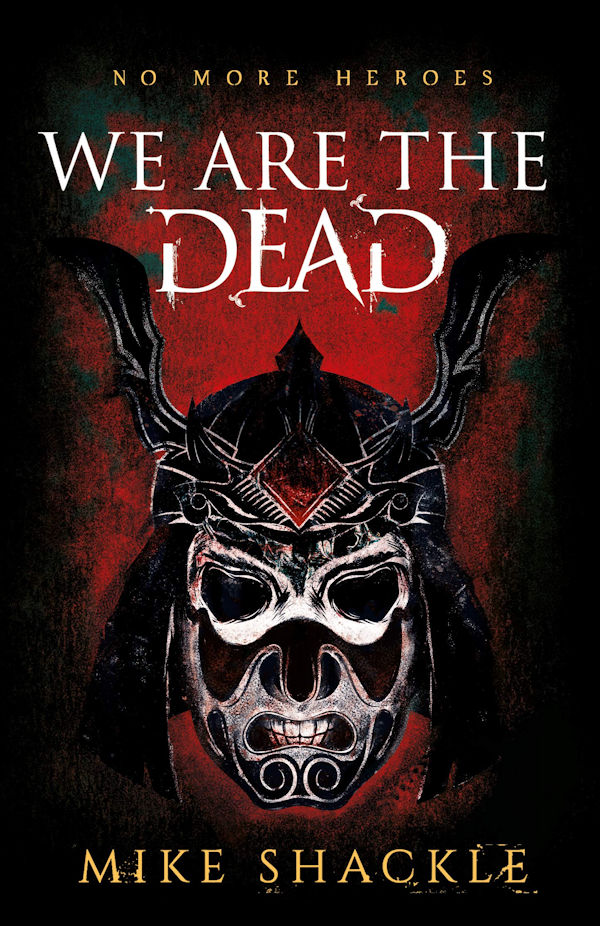
In Mike Shackle’s The Last War trilogy, the empire of Jia is swiftly overrun by the Egril, leaving its people scattered, occupied, and struggling to survive under a brutal new regime. As their control tightens, our protagonists—Tinnstra, Dren, and Yas—navigate loss, resistance, and impossible choices in a world where victory is no longer the goal. It’s a brutal analysis of the oppressed under the choke of occupation, and what happens when victory stops being a possibility. We Are the Dead explores the shock and resulting collapse of a collective identity. A Fool’s Hope charts the illusion of resistance. And the series is concluded by questioning the cost of resistance and redefining what success looks like in Until The Last.
In terms of plot mechanics, Shackle builds the narrative around mounting pressure and a steady escalation of tension, sidestepping the traditional quest or mystery plots of many more traditional fantasy stories. The momentum is internal as we watch our protagonists enduring loss and hardship, as stakes are piled on top of each other at a gut-wrenching rate, meaning the twists and turns are well-earned and authentic. Some may find the lack of narrative breathing space can flatten some of the emotional peaks, but that’s the point; it reads like a prolonged societal collapse that we’re forced to sit with. There are some brave, and perhaps divisive, narrative choices along the way—ones which have ruined many a book—but here they’re handed with skill and intent.
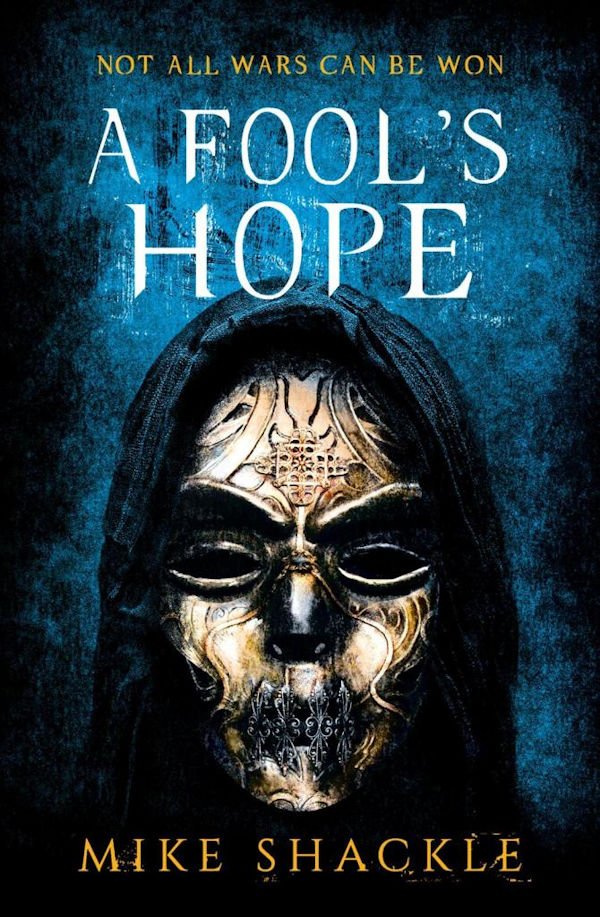
Shackle delights in taking some of our favourite fantasy archetypes and denying them the conditions they need to exist in that role, stress-testing them until they either bend or break. Tinnstra, the hero, becomes a reactive survivor; Dren looks to fit the role of the noble soldier until he is forced into the role of compromised battler; world-weary Yas goes from rebel to dissenter; and the tyrants are nothing but a cog in an inevitable machine. They’re all reactive to the war that surrounds them, and any growth is a result of the damage, compromise, and degree of pressure they’re able to endure. The grim brutality means emotional connection could take time for some readers, but the different arcs are staggered effectively to maintain momentum.
Ironically, the novel’s worldbuilding comes from the destruction of the world Shackle is building. The cultural and societal collapse of Jia replaces more traditional fantasy lore dumps, acting as a tragic vehicle to explore the people of this fascinating world. In real time, we discover what Jia’s citizens are losing at the same time they are losing it, giving the story a grounded, lived-in feel and the sense of jeopardy is real and immediate with stakes very visible. The focus feels narrow by design, so anyone looking for intricate political manoeuvrings won’t find what they’re looking for; this is gritty, street-level, and personal.
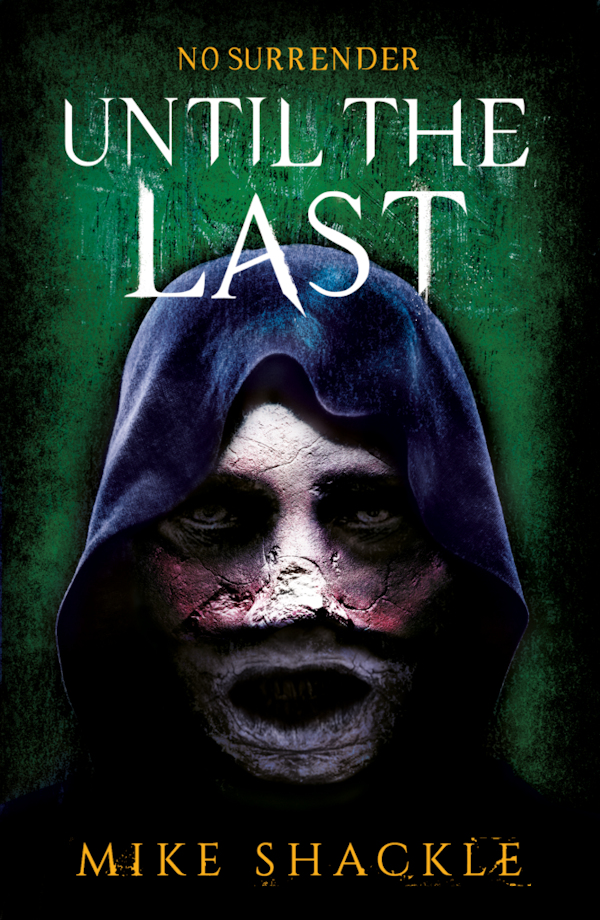
Is The Last War grim? Yes. Is it dark? Absolutely. Is it grimdark? Not really, but fans of the genre will devour it. The nihilism is kept in check, the violence is consequential, and the characterisation is meaningful and complex. Most importantly, everything feels sincere and avoids glorifying brutality; in this case, bleakness does not equate to a lack of depth. Shackle’s sharp prose prioritises function over flourish and, much like Vex’s inventive torture methods, it is more focused on wearing you down.
The Last War isn’t trying to be liked in the traditional sense—refusing comfort and rarely pausing long enough to let you recover. It commits fully to its vision, offering up a story where survival replaces victory, and where hope isn’t a triumphant rallying cry. This is a series for readers who value consequence over spectacle, and tension over escapism. It’s not always an easy read, but when it hits, it does with the satisfying impact of a well-placed blow to the head. Give it the time and space it deserves, and this will likely become one of your new favourites.

