

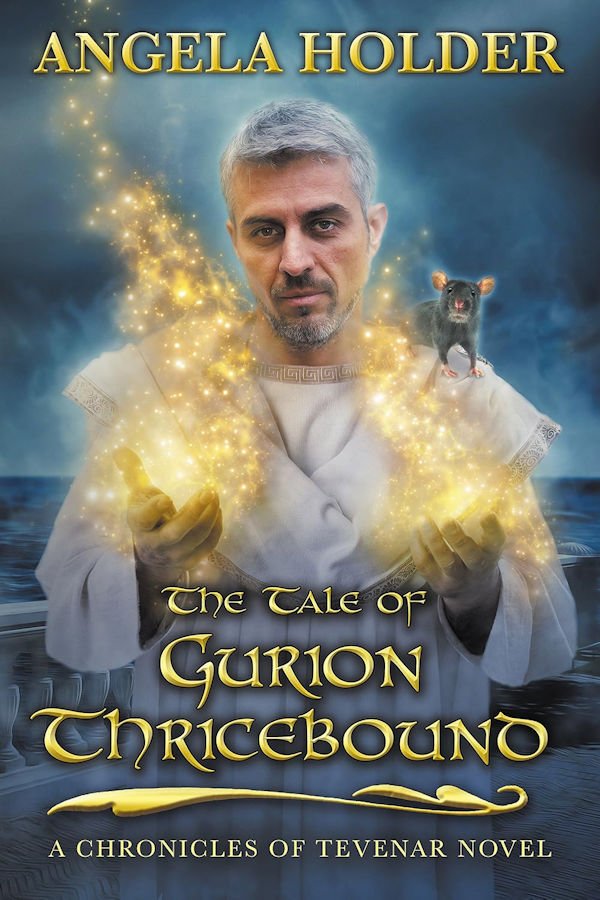
When a riot breaks out at his son’s coming-of-age ceremony, high-ranking wizard Gurion Elero sets out to investigate its cause. He discovers a hidden threat.
The magicless Unchosen have endured years of exploitation and abuse by the ruling wizards. Now a group of revolutionaries seek to inflame their anger into violence. Gurion must stop them before they destroy everything he knows and loves. But the more he learns about their cause, the more he questions the truths he’s always believed.
Did the Mother really grant wizards authority along with her powers, or have they used her gifts in ways she never intended? And how far can they go before she acts to stop them? The answers will set Gurion at odds with his family and friends, brand him a traitor to the leaders he once served, bring him face-to-face with the Mother herself, and launch him on an epic journey into the unknown.
Gurion is a book that surely isn’t for everyone. I didn’t expect it to appeal to me, but I ended up really enjoying it!
It shouldn’t need saying, but I think we’re all guilty of it at times, please don’t judge this book by it’s cover.
The main “problem” Gurion has, if you can call it that, is its length and slow pace. This isn’t an action-packed, fast-paced adventure like many modern fantasy novels. Instead, it unfolds gradually, telling the complete story of a broken society divided between Wizards and the Unchosen, the latter being little more than slaves to those who wield magic.
The plot focuses both on the rebellion of the Unchosen and on Gurion himself, who narrates the entire tale in hindsight. Because of this framing, we know from the beginning that he survives the events, so if you’re reading solely for shocking twists or high-stakes battles, this likely isn’t the book for you. However, there are still smaller twists and surprises along the way that shift our understanding of how events unfold.
What makes Gurion Thricebound so compelling is its depth. If you’re interested in a thoughtful exploration of societal structures, privilege, and revolution, seen through the eyes of one family living through the upheaval, then this book is absolutely worth your time. The pacing allows for a deeper emotional and philosophical engagement with the characters and world, and I found myself fully drawn in.
That said, the book isn’t without flaws. In the final quarter, several plot developments became a bit too predictable. I could often tell what was going to happen before a scene even began. A bit of tightening in those sections would have helped. Still, despite these minor issues, I thoroughly enjoyed my time with Gurion, his family, and his friends.

