
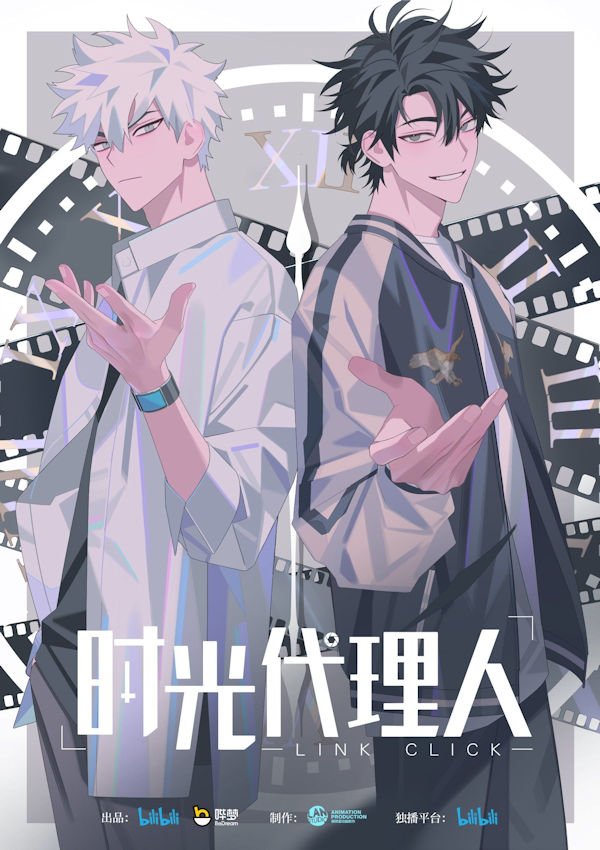
I’m not a fan of time travel stories. It’s a difficult concept to get right, and many creators falter with plot-holes and pitfalls that come with the trope. There are a few standouts here and there. The Time Traveler’s Wife by Audrey Niffenegger and the German Netflix show Dark take the old genre staple and add fantastic, character-driven twists. There are many animes that also use time travel as their plot crux. Summertime Rendering and Steins;Gate are popular examples, and they share the focus on character and don’t let time traveling issues take over. While I enjoyed both of these anime, there is another animated example that has enthralled me since it came out in 2021: Chinese Donghua Link Click. Still running, it’s one of China’s most popular animated shows.
Written and directed by Li Haoling and produced by Studio LAN with assistance by Li’s studio, Haoliners Animation League, Link Click uses time travel in a unique way. Main characters Cheng Xiaoshi and Lu Guang help run a photo studio, but they don’t just develop pictures. They hold intriguing abilities. The former can leap into the photos, a form of time travel, and possess the photographer. Once there, he can interact with that past. The latter knows everything that happens to the photographer for twelve hours.
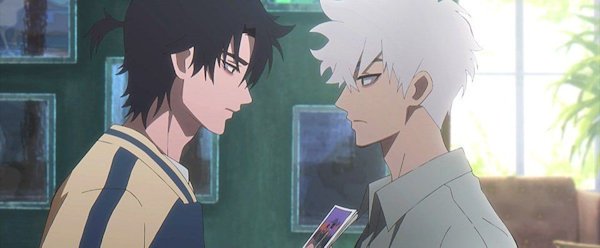
You might think these powers aren’t that exceptional. How could anyone use them? Their friend and landlady, Qiao Ling, brings in clients with regrets, and the boys dive into the photos to give the clients closure. Lu Guang insists on simple rules: Jump out of the photo once the twelve hours are up, no altering the past, follow his directions to the letter. They’ve been getting along with these rules for a time, but Cheng Xiaoshi is a kind-hearted person. As their clients become more tragic, he longs to help them right the wrongs that occurred in the past. This leads to friction with Lu Guang, and the audience eventually finds out why he’s so adamant about the rules.
Link Click starts off with an intriguing mystery and only adds to it as the first season goes along. Creator Li Haoling uses real-life events in some of the first episodes, including the devastating 2008 Sichuan earthquake and the never-solved child abduction case from 2003 to 2005, where a woman called Aunt Mei kidnapped nine male children. This helps ground the series; instead of creating circumstances for the boys to intervene, they encounter actual events Chinese viewers will very likely recognize. While those outside China might not know these stories, their realism helps the show resonate with viewers.
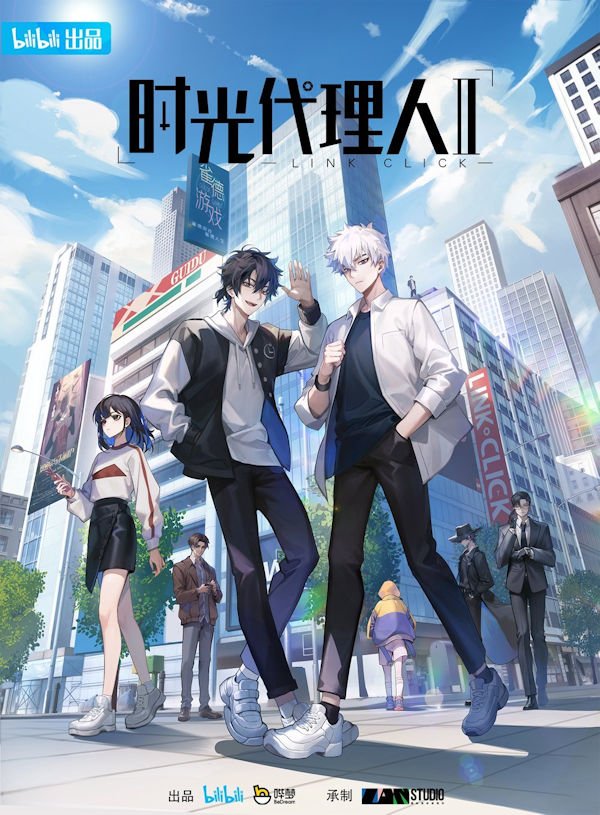
The first season’s ending hints at a larger network of empowered people as well as teases a wide conspiracy. The boys might have thought they possibly weren’t alone, but they’re proven violently correct. Season three just finished airing, and the story has become more convoluted and complicated but for the best reasons. Instead of being bogged down by too much time travel lore, Li Haoling sticks with the characters and their motivations.
Lu Guang’s relentless reminders about the rules are rooted in a deep-seated fear of losing Cheng Xiaoshi, whereas Cheng Xiaoshi longs to find out what happened to his parents who disappeared when he was young. Antagonists rise and fall, with terrible consequences for our main duo. As the cast grows, more tangled relationships emerge, and season three may even have shown who the Big Bad is. I’m still not quite sure, which is exciting as a viewer. I’m used to guessing what will happen next, and Link Click won’t let me.
One of the main reasons I started watching the show is many fans described it as BL (Boy’s Love). As someone who enjoys the Boy’s Love genre and writes LGBTQA+ stories, this is a sure-fire way to get me started on something. Due to heavy censorship in China, gay stories are often told obliquely; you have to pay attention to how the relationships are presented and can’t rely on the characters saying their sexuality outright. While Link Click can’t be specifically labelled BL, it definitely fits the romantic mould. Most merchandise and season preview content hypes up the same-sex relationships.
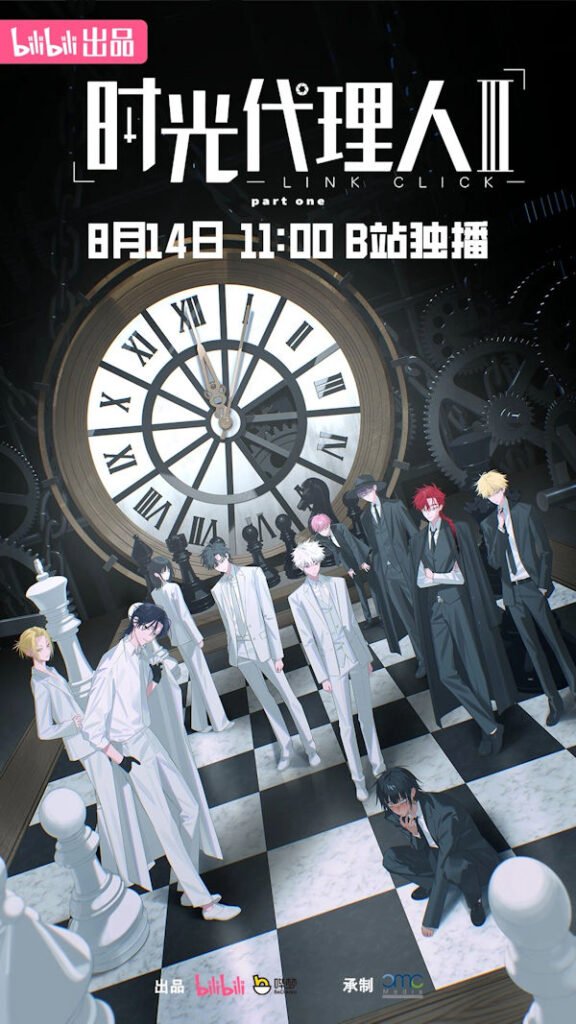
It’s not just Cheng Xiaoshi and Lu Guang. Popular bad boy Vein and model Felix are the second favourite ship, and there’s plenty of evidence onscreen that the only person Vein cares about is Felix. Mysterious Special Agent Jae hunts Liu Xiao, a rich boy interested in starting a powerful group of empowered people, and a promotional anniversary music video heightened the sexual tension between the two. While the show can’t be overt, these music videos don’t waste time saying where they stand on the characters’ orientations. Or at least their obsessions. Of course, the viewer doesn’t have to think of any ship as a couple, but it can enhance the experience to believe these characters are motivated by extreme emotions. It also makes more sense when you look back at previous seasons and wonder why Lu Guang goes to such extremes as the show progresses.
Besides the abundance of extra content for fans to devour, the show’s music is also superb. Each opening and closing theme is chosen with care, and the lyrics echo and enhance the seasons. The first three opening themes are performed by JAWS and are fantastic. The band has the right sound for the show’s dramatic and melancholy elements as well as the nostalgic emotions needed for the Bridon Arc, which occurs between seasons two and three. Each season’s OP (opening theme) and ED (ending theme) releases often get as much online coverage as the seasons’ debuts.
If you’re interested in another excellent new take on superpowers and want the story to focus more on characters than explosions, Li Haoling’s other recent Donghua is worth checking out. To Be Hero X takes the viewer into a world where superpowers are established as opposed to Link Click’s hidden heroes and villains. When viewed together, these shows are an interesting study of how Li Haoling views superpowers and how they might impact the world.

