
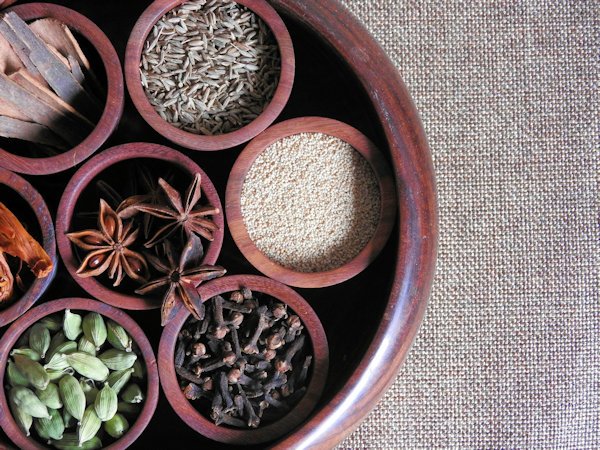
I’m sitting in a car, sipping an iced latte while I wait on my son to finish band practice. It’s Saturday morning and I have just done something that feels scandalous: instead of spending the hour and a half locked in my car, trying to use every one of my “spare” minutes to get some work done, I visited the spice store next door. It smelled heavenly. I picked up a small jar of whole green cardamom pods, which the little information card told me were popular in the Middle East for seasoning coffee. I bought some dried ginger slices for tea, and a jar of ground cumin, then I went next door to the wild bird store and picked up a new feeder and some seed, which I have been meaning to do for probably years.
It took about 45 minutes. But I could barely force myself to stand there and look around. In addition to writing, I’m a homeschool mom of a large family. My youngest daughter is disabled. She has Down Syndrome, but she also suffers from autoimmune conditions that severely affect her sleep, and therefore, mine too. I am often working in the middle of the night. Working while I eat breakfast. Working while I eat lunch. Working while I make dinner. Working while I wait for kids to be done with extracurricular activities.

I’m not the only writer who feels like I’m on a hamster wheel, of course. There’s been a lot of doom and gloom infecting writer spaces for a couple of years now as we burn ourselves out trying to out-machine the machines. Whether it’s outwitting the latest change in Instagram’s algorithm or trying to keep up with Amazon’s algorithm by publishing more books at an ever-faster pace. You could make a case that publishing—and the arts in general—have always been difficult. I mean, Leonardo da Vinci spent ten years figuring out how to cast a giant bronze horse for the Duke of Milan, only to have all the bronze melted down for cannons and his clay model used as target practice by invading French archers. And on top of that, he had to deal with Michelangelo’s insults.
Then again, at least Leonardo didn’t live to see his art stolen by a machine to churn out AI slop.
Anyway, times are tough in the arts these days and considering I’ve averaged five hours of sleep a night for the past three weeks or longer (it all blurs together), it’s easy to succumb to the gloom.
Lately, though, I’ve seen some glimmers of light. Not from the machines, which are as bad as ever, but from humans who have decided that since it’s impossible to beat the machines, then why are we even trying? I read an article recently, I can’t remember where because these days taking in information is like being pelted by a perpetual downpour, but apparently typos have now become an indicator of writing done by humans.
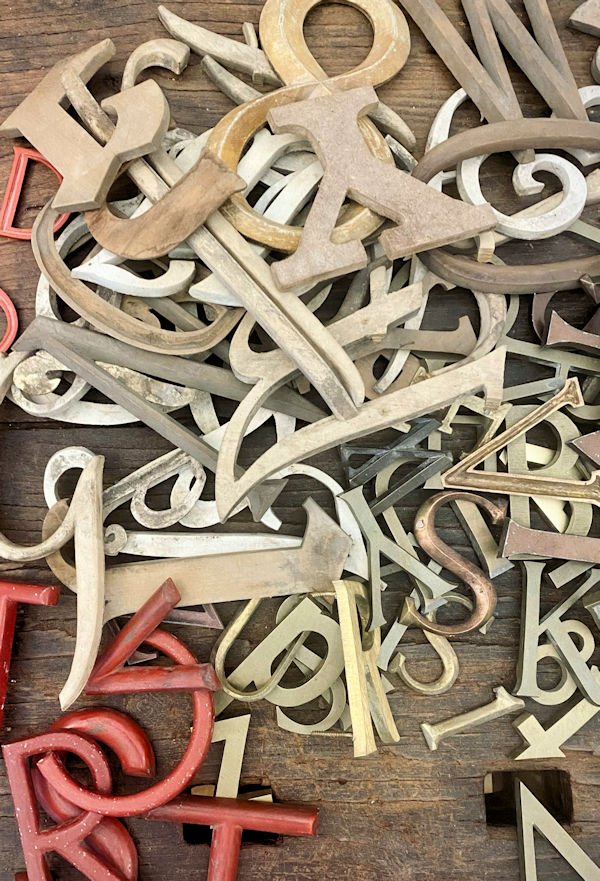
I had to laugh; indie writers used to be judged and found wanting by our typos. We all struggled to eradicate them as if they were cancer cells. The idea that we should now leave them in feels ironic but also like a mode of resistance. Maybe our response to the machine takeover is to reject playing the machine game at all, to be completely and thoroughly human. Human writing is quirky, individual, personal, imperfect… interesting, surprising, emotional.
So, it’s not surprising that when I feel most like surrendering to the doomsayers and hanging up my gloves, human stories are the ones that pull me back from the brink. Like most (all?) writers, I’m fighting this battle because I love stories so much, I feel the need to write my own even though it means getting pummeled by the hamster wheel from time to time.
If you need a little fictional encouragement from time to time like I do, here’s a list of books I have personally found to celebrate the condition of being human with heart, grace, and depth. They are not all cozy, feel-good books, although some of them are. But they are all books that look on the experience of being human with compassion and encouragement.
Jester by Tim Carter*
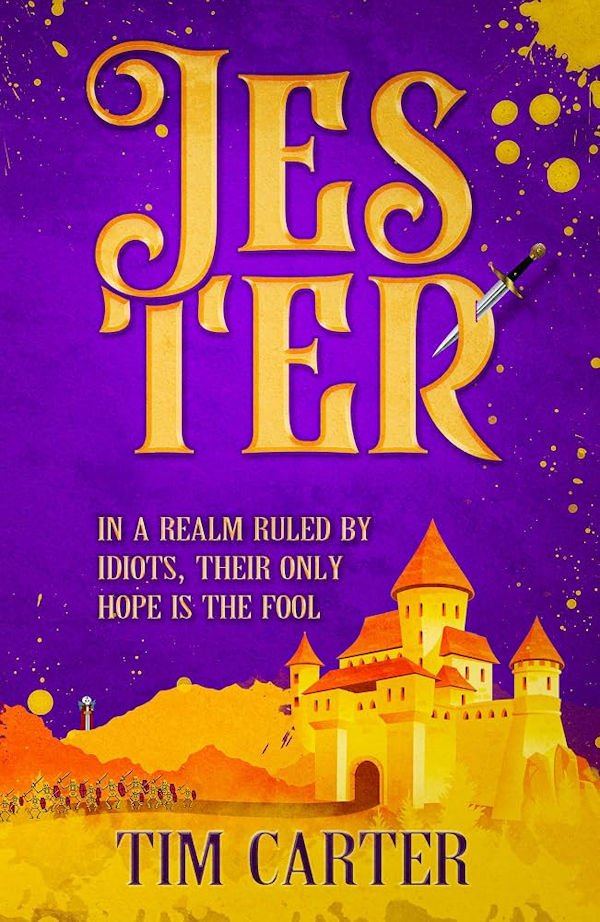
Jester, a newly minted SPFBO Finalist, is a sharp, fast-paced book with a lot of heart, and immediately after reading it, I ordered a physical copy for my shelf so I could read it again. I don’t re-read a lot of books these days, so that should tell you something.
Shelly, a goblin latrine slave who rises in the ranks by a combination of chance and his own wit, guts, and compassion, is sort of the quintessential underdog hero. I like dark fantasy and morally gray characters, but following a protagonist who is trying his best to do the right thing in uncertain (not to mention terrifying and smelly) circumstances was something I didn’t know I needed so much.
[*Editor’s Note: This is a personal review by the article’s author and is not related to our judge’s SPFBO review, which is forthcoming.]
The Tarot Sequence series by K. D. Edwards
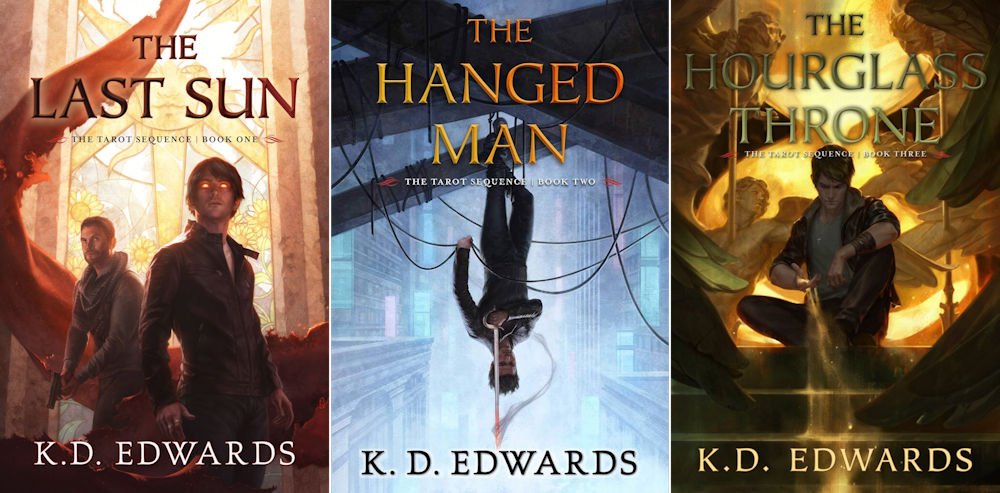
These books are high on my list of all-time favorites. (I’ve also gobbled up all the freebie stories Edwards has made available on his website.) Rune and Brand and their growing family of misfits always make me feel like I’ve been invited in to hang out with old friends.
The shining core of the series (for me anyway) is the rock-solid friendship/brothership between Rune and his bonded companion and bodyguard from toddlerhood, Brand. Their relationship is often tested, but the ties in this found family are strong. I would read a scene about Rune and Brand writing a grocery list just to spend more time with them.
A Necromancer Called Gam-Gam by Adam Holcombe
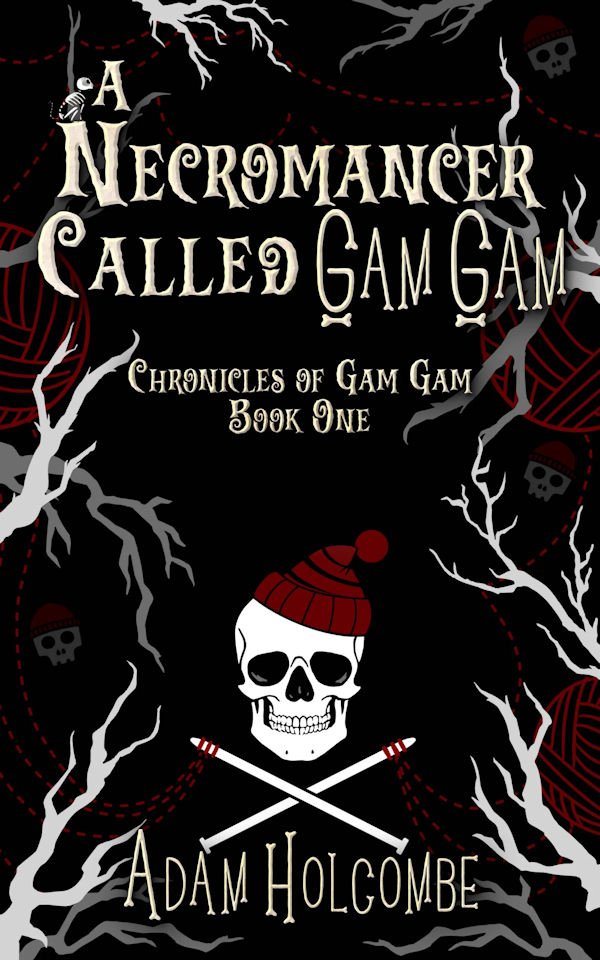
This one’s a novella and won’t take you long to read, but it will leave your heart warm long after it’s done. I feel like the story is deeper for being grim-cozy; the characters exist in a world in which dark things happen and have happened. But whereas most stories about necromancers go straight to horror and fear, Gam-Gam is all about love, grief, and healing.
In that sense, it feels to me like a celebration of what it is to be human—not just the positive emotions, but also those we would rather sweep under the rug. Plus, who wouldn’t want a pair of mittens knitted by Gam-Gam or a visit with her skeletal cat, Nugget?
Vita Nostra by Marina and Sergey Dyachenko
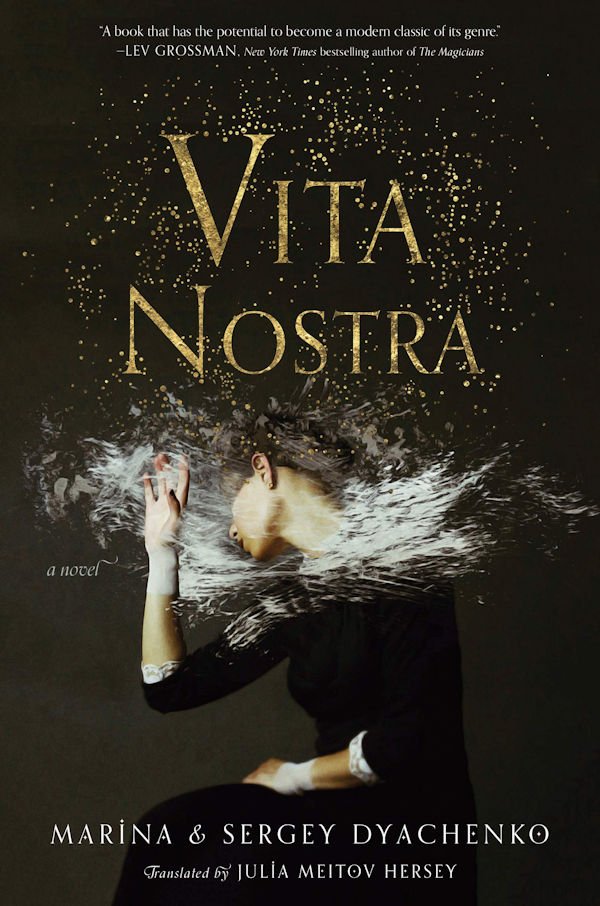
I am struggling to decide if I should say Marina and Sergey Dyachenko (Maryna and Serhiy) are a husband-wife Ukrainian writing teamor that they were a husband-wife team, and this is heartbreaking to me; Serhiy died in 2022. The Dyachenkos wrote a long list of fantasy novels together, though most of them haven’t yet been translated from the Russian. Vita Nostra is probably their most famous novel, at least in the English-speaking world, and also one of the strangest and yet most emotionally affecting stories I have ever read.
Sasha receives a gold coin from a strange man while vacationing at the beach and finds herself sucked into a bizarre and dangerous magic school in which failure has devastating consequences for the real world lives of the students’ loved ones. It’s impossible to describe Vita Nostra, with its philosophical magic system that is somehow also based on grammar, but at its heart, it’s a coming-of-age story about a girl struggling to hang onto her humanity within the confines of an inhuman system. That description really doesn’t do it justice, though, so just go read it!
Year of the Reaper by Makiia Lucier
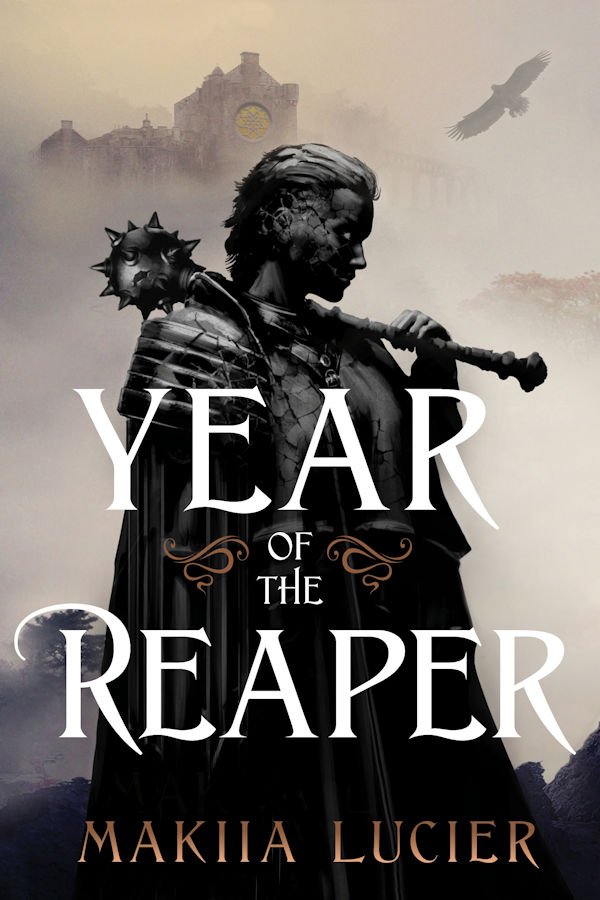
Though technically YA, I feel like adult readers will also enjoy this book. (I certainly did.) I debated whether to include it, though, since it can be a bit bleak.
Cas has finally returned home after a war and a plague have decimated his country. Betrayed and imprisoned, he found himself doing horrible things to survive. Now that the war is over, he must learn to be human again—to pick up his own pieces, to relate to other humans, and to forgive or mete out justice to those who betrayed him. The slow, sweet romance that cracks his shell is what ultimately saves the book from its bleakness—as it saves him from his past.
So, hang in there, y’all; we readers and writers are in this together.
Featured image by Yusuf Saibani.

