

Cute girls doing cute stuff has been a manga and anime mainstay for some time. Whether they’re forming a band, traveling to faraway lands, or getting to know each other while drinking, cute girls will do it cutely. They’re designed and styled to be adorable, the quirky but kind gateways for the top demographic: tween and teen girls. The shojo genre thrives on making the “plain” girls end up on top, though if the sweetheart with pink hair and a crazy guitar riff is supposed to be plain, then I have some thoughts. Or perhaps their plainness comes from their trope-ish social anxiety. And don’t forget: There always needs to be a love interest.
While some projects steer away from the norm, the shojo genre can be limiting for certain storytellers. Instead, they move toward seinen or josei or even shonen. For the uninitiated, these four categories represent the intended audience and not much more. Whichever magazine is willing to take on a work, the creator will jump at it. A title that’s more mature and thought of as josei—intended for older female readers—could end up in a shojo magazine.
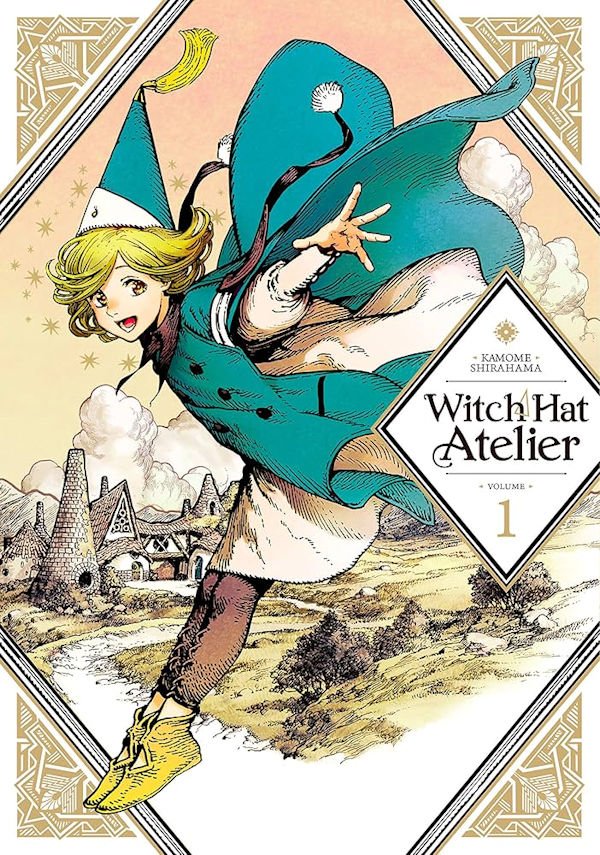
My newest obsession is a title that can’t be categorized easily. Though published in a seinen magazine, which is generally meant for older male readers, Witch Hat Atelier’s main characters are tween girls. Not only that, they’re cute girls! And they’re learning magic in cute ways! While this seems like a prime shojo scenario, the ways it diverts from the usual tropes is what caught my attention.
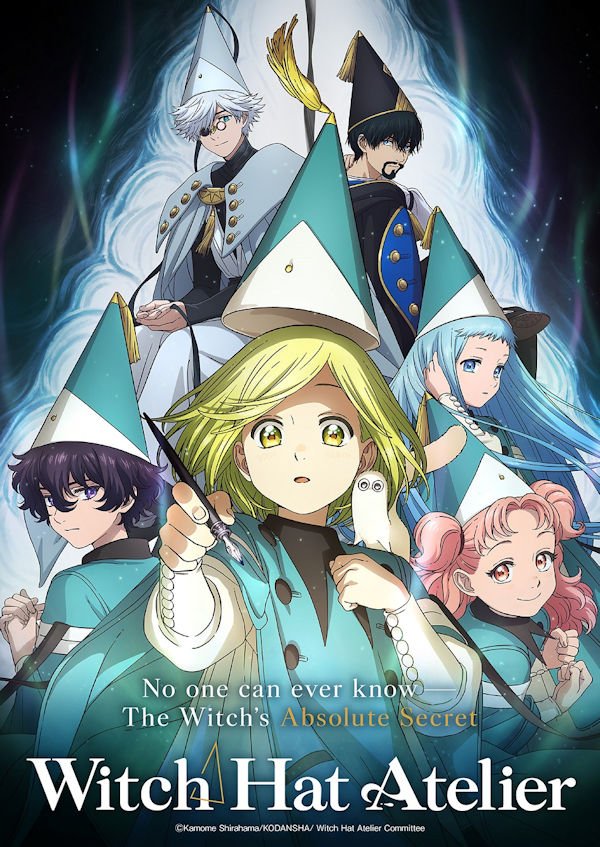
Coco wants nothing more than to learn magic. She’s idolized witches since a fated meeting with a masked witch in her early childhood, often flipping through a book of symbols the masked witch sold her. Living in a quiet pastoral setting, Coco works with her mother as a dressmaker. One fateful day, they’re visited by a tall, handsome witch in search of fabric. After an incident with a magical carriage, the witch offers to assist. He secrets himself away into a room in Coco’s house, asking her to keep watch outside while he completes a spell on the carriage.
Intrigued, Coco can’t help but sneak a peek, and she learns that doing magic involves drawing symbols. Beset with curiosity, Coco hides in her room, pouring over the symbol book. She discovers that her “magic wand” that came with the book holds ink in the bottom. Tracing a complicated design, Coco unleashes forbidden magic, and a massive crystal consumes her home. While Coco is rescued by the handsome witch she spied on, her mother is encased in the glowing crystal, stuck in time.
Quickly adopted by Qifrey, the handsome witch, Coco is brought to his home, an atelier, where he trains young witches. Qifrey explains some workings of the magical world, imploring her to keep the spellbook and how she acquired it a secret. Coco meets her fellow cute girls: vivacious Tetia, quiet Richeh, and surly Agott. With a chip on her shoulder the size of a castle, Agott tells Coco she’s not welcome and shouldn’t be allowed to train in magic.
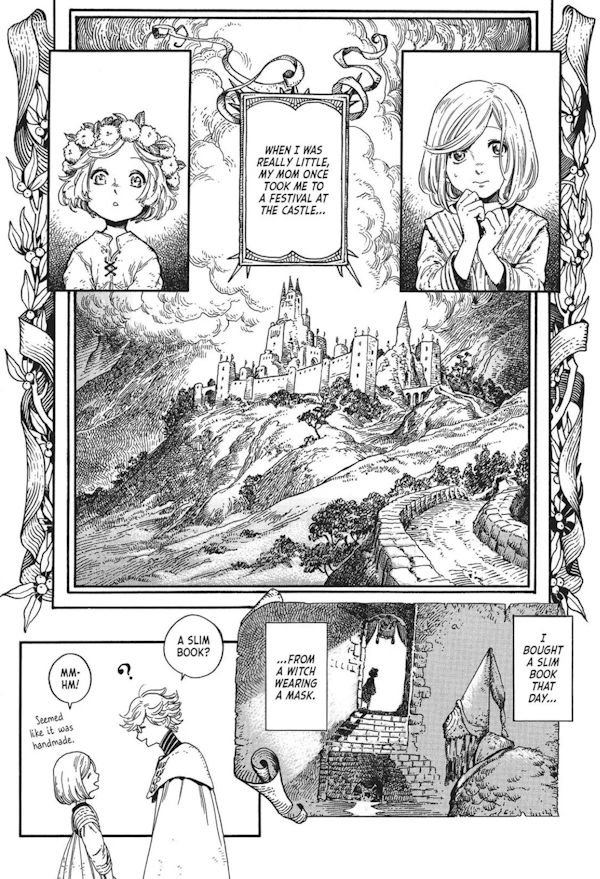
Well. That’s not gonna happen, Agott. Because Coco has a lead on a mysterious group of magicians called the Brimmed Caps, rebellious outliers who reject magical society’s rules, and Qifrey has been hunting them since he was young. Hiding secrets of his own, Qifrey teaches Coco with a gentle voice, masking his obsession for finding the Brimmed Caps.
Each episode builds the world, showcasing how the magical system works. Beautifully animated, each spell bursts forth like a miracle, hand-drawn on pages from circular notepads. The setting reminds me of Studio Ghibli films: gorgeous to look at, relatable characters, and journeys with deep meanings. Each witch has different specialities. For instance, Qifrey’s focus is water magic. The young witches practice drawing spells, each finding their niche. While Agott remains antagonistic up to episode ten, she will most likely melt at Coco’s innocent love for magic. Everyone who encounters her is touched by her upbeat attitude and helpful nature. However, we must remember that this story is seinen, which means it will move toward more adult themes as it goes.
The show and manga are slow burns. Creator Kamome Shirahama is not interested in dragging her audience through plot. Instead, she focuses on quiet character moments, allowing the reader to fall in love with Coco and those around her. Qifrey’s appearance has drawn comparisons to Gojo, the most popular character from Jujutsu Kaisen, but Qifrey is his own unique character. His zeal for vengeance helps drive the narrative, but Coco’s sweet enthusiasm keeps the story on track. As she learns more about the world, so does the audience, and it’s a magical ride so far.
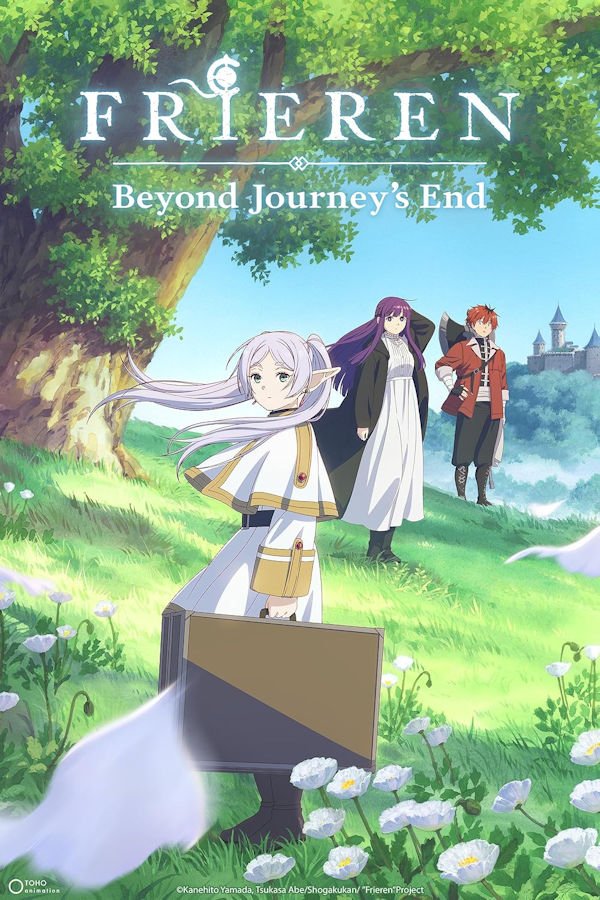
Witch Hat is the newest anime in a string of fantasy hits. Alongside Frieren: Beyond Journey’s End (2023 – present) and Delicious in Dungeon (2024 – present), it becomes the third instalment of what some have dubbed The Fantasy Big Three. Playing off the original Big Three’s nickname (Naruto, Bleach, One Piece), these three anime have shown how popular the fantasy genre still is.
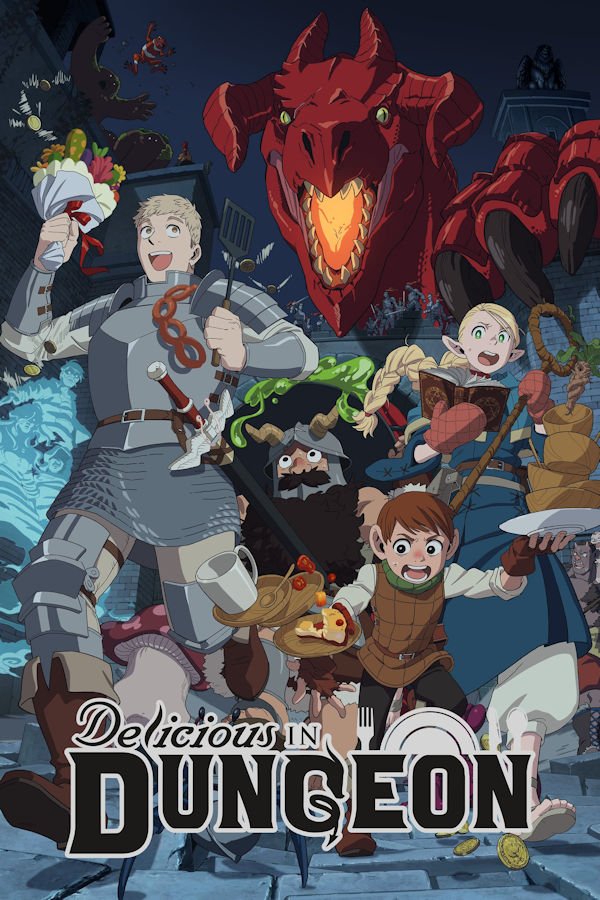
With the end of Game of Thrones, some thought traditional fantasy might be losing steam. It’s wonderful to see that isn’t the case. What this newest Big Three have in common, besides the fantasy elements, are cozy storylines with some action and adventure thrown in. Heartfelt moments that feel earned. Characters people want to watch and root for. None of these shows resemble popular fantasy from recent years, which isn’t a bad thing. With the rise of romantasy and cozy fantasy, such as works by T. J. Klune and Travis Baldree, audiences are searching for titles that lift them up instead of depress them. While the Game of Thrones brand remains popular, fans’ willingness to embrace something softer has been noticed.
New fantasy shows have been popping up since Frieren’s popularity soared. While not all are created equal, and more violent and gory shows remain popular, this new Fantasy Big Three is a fantastic welcome for those who might have steered clear of anime before. Each ditches tropes or inverts them, providing surprises and joyful detours to the usual fare. If you’ve been on the fence about trying anime or have seen people raving about these shows, it’s definitely time to pick up a sword, staff, or pen and give it a try.

