

“Trope marketing is ruining literature.”
I saw a post on Instagram recently that used this as a hook. As a hook, it worked pretty well; I stopped scrolling to read the post and now here I am writing about it. The hook hit me where I lived in that moment: I’m launching a Kickstarter in October, and August was a terrible month sales-wise for my existing series, which seems to also have been (anecdotally) true for many other indies. My response is to (once again) try to learn how to market my books better on social media. And that means trope marketing for most genre authors.
The word trope gets thrown around with wild abandon these days, but maybe we should define it first. Merriam-Webster defines trope as:
- a word or expression used in a figurative sense
- a cliché
- a common theme or device as in the arts
(A cool aside: apparently, a “trope” in the Middle Ages was an embellishment added to the sung Mass, a little factoid I am filing away for another day.)
Mostly I’m concerned here with the blurring between the second and third definitions. For some people, trope always means cliché. But in a more neutral sense, tropes are just images or events or themes common across stories. They’re not bad in and of themselves; I’m trying to imagine writing a story without them and I think it might be impossible.
Certain tropes are genre-specific while some span genres, and sometimes authors pull tropes from one genre to use in another, which can give them a fresh twist. Think of the fantasy mystery noir detective that has become its own little niche lately. Tropes can also be tiny bits of characterization. One of my favorite fantasy tropes is the character who’s a walking armory and when asked to disarm, keeps pulling out one weapon after another. They can also define the structure of the whole story—as in an enemies-to-lovers romance.
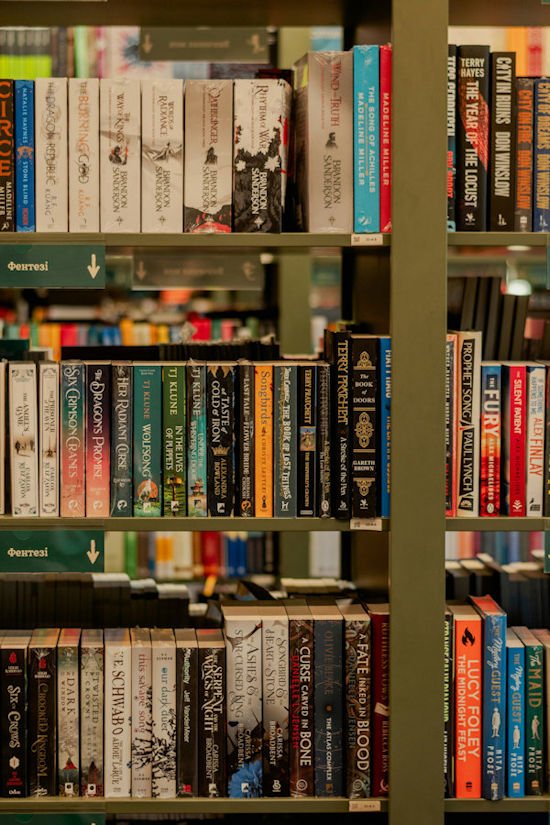
Mostly what I think people mean when they complain that “trope marketing is ruining literature,” is the stories they’re finding seem to be using the same tropes in the same ways without caring much about unique character development. In other words, trope is sliding from “shared motif” to “cliché”. In my opinion, it also means the books are plot-driven, and the plot devices they’re using have reached saturation in the general market. “Trope marketing is ruining literature” is really a gripe about how books are being written to compete in a crowded marketplace.
This is something I see more often in the traditional publishing space, particularly in romantasy which has grown from being mostly indie to being a huge business for the big traditional publishers as well. It’s no secret that traditional publishing uses a business model that leans heavily on doing what has already worked rather than taking a chance on a riskier book that might work someday. I’m not saying that riskier stuff doesn’t get published, but I think everyone can agree it’s a much harder sell.
The indie space has always (and probably always will) be much more experimental. That doesn’t mean indie authors don’t care about being commercially viable—believe me, we would all like to be 6-figure authors—but indies are far better set up to find niche audiences outside the mainstream. It’s not easy, though. The basic and probably the hardest problem is how to make yourself and your books discoverable in the first place.
When I published my first book in 2019, indie romance writers were using trope marketing in their Amazon descriptions to quickly signal their subgenre to potential readers. Romance readers often read in very bound niches, such as billionaire, secret baby, age gap, cowboy, and mafia. Amazon only publishes a few lines of text on every book’s page before the reader has to click, so mentioning tropes early was a brilliant way to maximize a limited marketing space.
As I started digging around a little, I found some theories that trope marketing actually has its roots in fanfiction tags. Tropes are easy shorthand when you don’t have a lot of room to dig into the meat of what a book is about, you want to attract readers who will enjoy your book while sending readers who won’t on to other books. This also works well on social media platforms that reward hooks.
There’s a marketing principle I discovered a while back that also seems to apply. It was formulated by industrial designer Raymond Loewy. Loewy wanted to design locomotives, but when he pitched the job, he was hired to fix a problem with trash cans instead. Undaunted (or maybe a little daunted), he threw himself into the problem of how to make trash cans beautiful. He discovered you couldn’t make them too weird—they still had to look like trash cans—but you could draw people to them by making them different enough to catch the eye. Human beings, it turns out, want both the comfort of the familiar and the stimulation of the original. He dubbed this principle MAYA- Most Advanced Yet Acceptable. (And if you’ve seen mid-century trash cans shaped like bullets, that’s Loewy.)
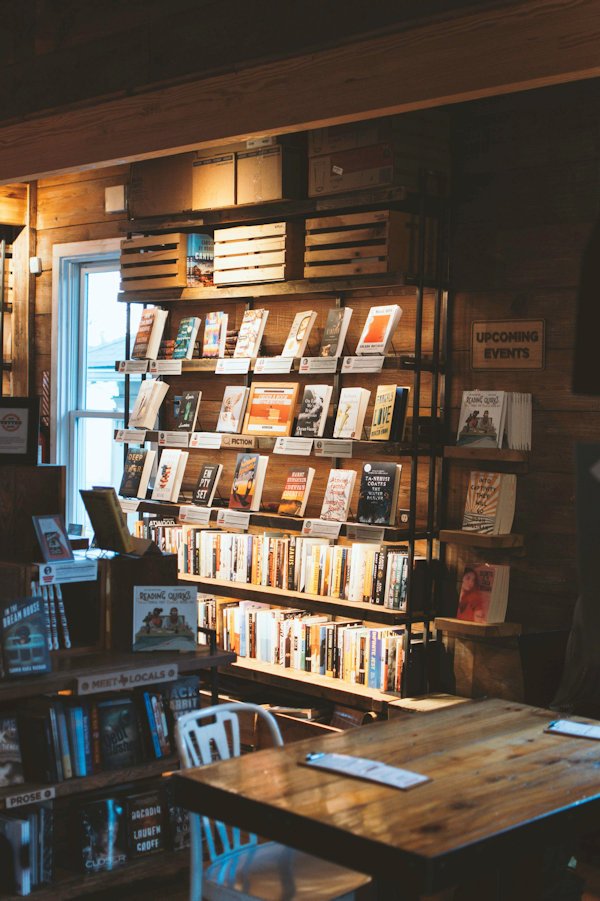
Trope marketing can be frustrating for fantasy authors like me who write character-driven stories that don’t depend as much on currently popular structural tropes. Trope marketing still works well for romance, but fantasy readers are different from romance readers or, say mystery readers, who will happily read hundreds of books with the same basic structure or plot. I am always slightly gobsmacked when I see a mystery labeled with a series number like #81. How are those writers writing eight-one books in the first place? Are there readers out there who have read all of them? Sure, fantasy readers might love dragons, but I think we’re a little more subgenre-fluid over here in SFF.
Figuring out what tropes to put on a trope graphic for a sprawling epic fantasy novel also involves a lot of staring at the screen—in my experience anyway. For instance, while I definitely did use tropes consciously in Fortune’s Fool, they mostly function as scene building blocks. For instance, people seem to like the wound care scene, and I guess there’s a fair amount of “feminine rage” in the book. But neither of those tropes is what the book is about, andit seems odd to stick them in a random list. As a thought exercise, I tried to visualize how Robin Hobb’s Realm of the Elderlings would be marketed if Hobb had to make a trope graphic. Or if Brandon Sanderson had to make one for The Way of Kings, or George R.R. Martin had to make one for A Game of Thrones. The more complex and unique the book, the harder it is to tropify them without losing much of makes them them. (You can call Fitz and the Fool’s relationship a bromance, but I mean, really? Hobb fans know their relationship is so much more.)
In the end, speaking from an author’s point of view, marketing books has never been easy, and the tendency of commercial publishing has always been (sometimes more and sometimes less) to keep repeating what has worked in the past versus taking risks on something new that might bomb because it’s too unfamiliar. And although it’s obviously about money, it’s also not about money: authors write books because we want people to read them, and we’ll do anything we can to put our books in the hands of readers who (we hope) will enjoy them.
What seems to happen when trends reach saturation is people start finding things too familiar and start seeking out novelty. It will happen again, and marketing will change. Literature probably won’t be ruined forever.
Until then, as your friendly neighborhood indie author, I would urge you not to give up if you’re frustrated that so many books seem to be following the “same old tropes”. Frustration is the agent of change. There are authors out there right now, writing books just a little different that could become a new trend tomorrow. It just takes a little digging to find them.
Featured image by Romain Tordo.

