

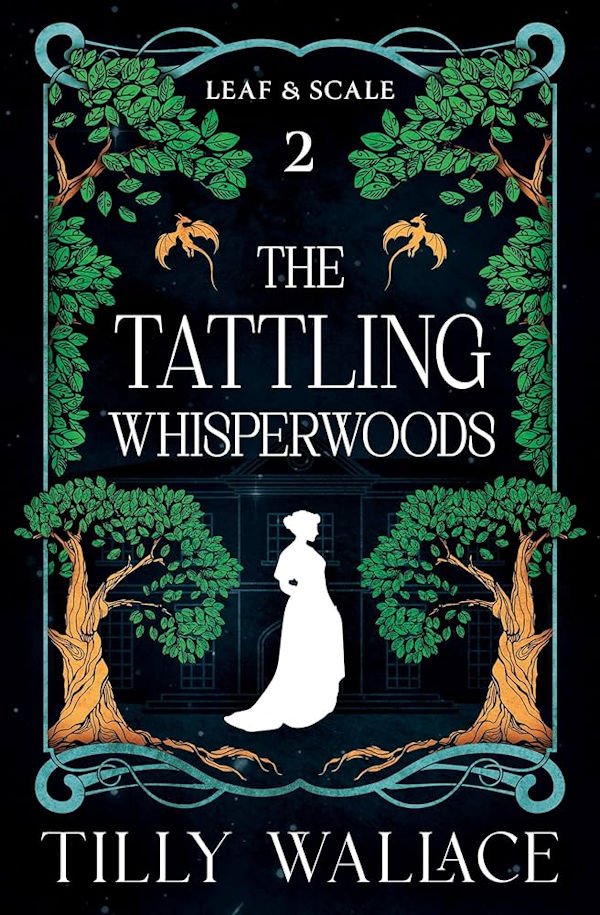
The village of Drake’s Bend has long been guardian of a sacred grove where ancient trees offer gentle counsel to those who dare share their secrets. For centuries, this delicate balance between confession and wisdom has been maintained.
Until now.
The whisperwoods have turned venomous. The trees sharpen sacred confidences into devastating weapons of betrayal, threatening to tear the local community apart. Old friendships are being torn apart, and villagers fall ill with a mysterious sickness. But the whisperwoods hold still darker secrets that are twisted and spread to the highest reaches of London society. The old sentinels could be lost forever as the call to silence them grows louder.
Fern must uncover the truth behind what poisons both trees and people before time runs out and lives are ruined. The ancient sentinels are the last of their kind, and their loss would forever silence a magic as old as Britain itself. But in the race to save both grove and villagers, Fern discovers that some secrets were meant to stay buried—and awakening them could destroy everything she holds dear.
This second instalment in the Leaf and Scale series feels much stronger and more assured than the first. The characters have found their footing, the pacing feels smoother, and the whole story settles into its tone with confidence.
The whisperwoods turning venomous and a creeping illness spreading through the village provide the central mystery, but this remains very much a character-driven cosy fantasy. The plot gives the story shape, yet it’s the people, their relationships, and the quiet rhythms of village life that truly carry it.
Fern continues to be a wonderful heroine. A botanist marked by London scandal, she exists slightly outside the usual expectations placed on women of her era. What I especially enjoy is she navigates that world in multiple ways. She has knowledge and competence, yes, but she also knows exactly when to deploy charm, cake, and a carefully performed air of scatterbrained curiosity to get where she needs to be. She is not above playing the part when it serves her. At the same time, she can misjudge people and has to own up to it. She apologises when she is wrong, even if she doesn’t enjoy it. There’s a gentle Austen-esque flavour to that dynamic, more homage than imitation, and it works beautifully.
The romance remains slow and soft. The brooding, dragon-marked recluse is still more Darcy than dangerous rake, and their dynamic leans into quiet understanding rather than dramatic upheaval. The fact that Fern takes initiative rather than waiting to be chosen was a particularly satisfying touch, and it felt completely in character.
This series leans much more fully into fantasy than Wallace’s Grace Designs series. There are witches, real magic, and enchanted creatures woven naturally into everyday life. And the dragons, of course, are a highlight. The recovery arc of the injured dragon is handled with remarkable patience and care. She doesn’t bounce back through magic or sudden miracles. She heals slowly. Day by day. From being moved in a wheelbarrow to taking tiny steps, from fear and fragility to regaining strength and shine. If you’ve ever had anything to do with animal rescue, you will recognise the quiet realism here. Love helps, but love alone doesn’t fix everything overnight. Watching that process unfold gave the book a deep emotional warmth.
The found family elements continue to shine. The two uncles remain a warm and steady presence, opening their home and hearts without hesitation. The village genuinely feels like a community, and Fern’s growing friendship with Millie adds another layer of softness. Millie navigates the world a little differently, struggling with noise and chaos but offering strength in quieter, story-driven ways. None of this is spotlighted or moralised. It simply exists as part of everyday life, which makes the world feel richer and more real.
At the same time, this isn’t all gentle tea and tree gossip. There’s banter, bursts of drama, exploding kettles, and enough magical chaos to keep things lively. The cosy atmosphere holds the reins, but the story isn’t static or sleepy.
Overall, The Tattling Whisperwoods is playful, magical, and full of heart. Stronger than the first book, richer in character, and still deeply comforting. It’s not about sweeping epic stakes. It’s about community, care, stubborn hope, and a botanist who refuses to be anything but herself, even when the trees start talking back.

